

Everyone who has ever bought a cheap beach chair knows the truth, even if they only admit it after the second hinge snaps or the fabric gives way under them like a trap door. Most beach chairs are not built to last.
They are built to survive one summer, maybe two if you treat them with the tenderness normally reserved for museum artifacts. Then they sag, rust, wobble, tear, and send you trudging back into the fluorescent retail maze to buy another one.
You are told this is normal. You are told salt air is tough, sand gets everywhere, and beach gear simply wears out. Convenient, isn’t it?
The Racket Sitting Under Your Umbrella
This is not just bad luck or poor craftsmanship. This is planned obsolescence, the polite little phrase used to describe the very old corporate habit of designing products to fail before they should.
The idea is not new. Bernard London wrote about it back in 1932, arguing that products should be assigned official death dates so consumers would be forced to keep buying. The language has changed since then, but the game remains largely the same.
In America, manufacturers face very little pressure to build durable consumer products when disposable ones keep the money wheel spinning. A $30 beach chair that breaks after one or two seasons is not a failed product. It is doing exactly what the people who made it wanted it to do.
How They Make Sure It Breaks
Start with the frame. Budget beach chairs often use thin-wall aluminum tubing or cheap steel with a coating that gets marketed as rust-resistant, which sounds reassuring until salt spray chews through it after a few trips to the shore.
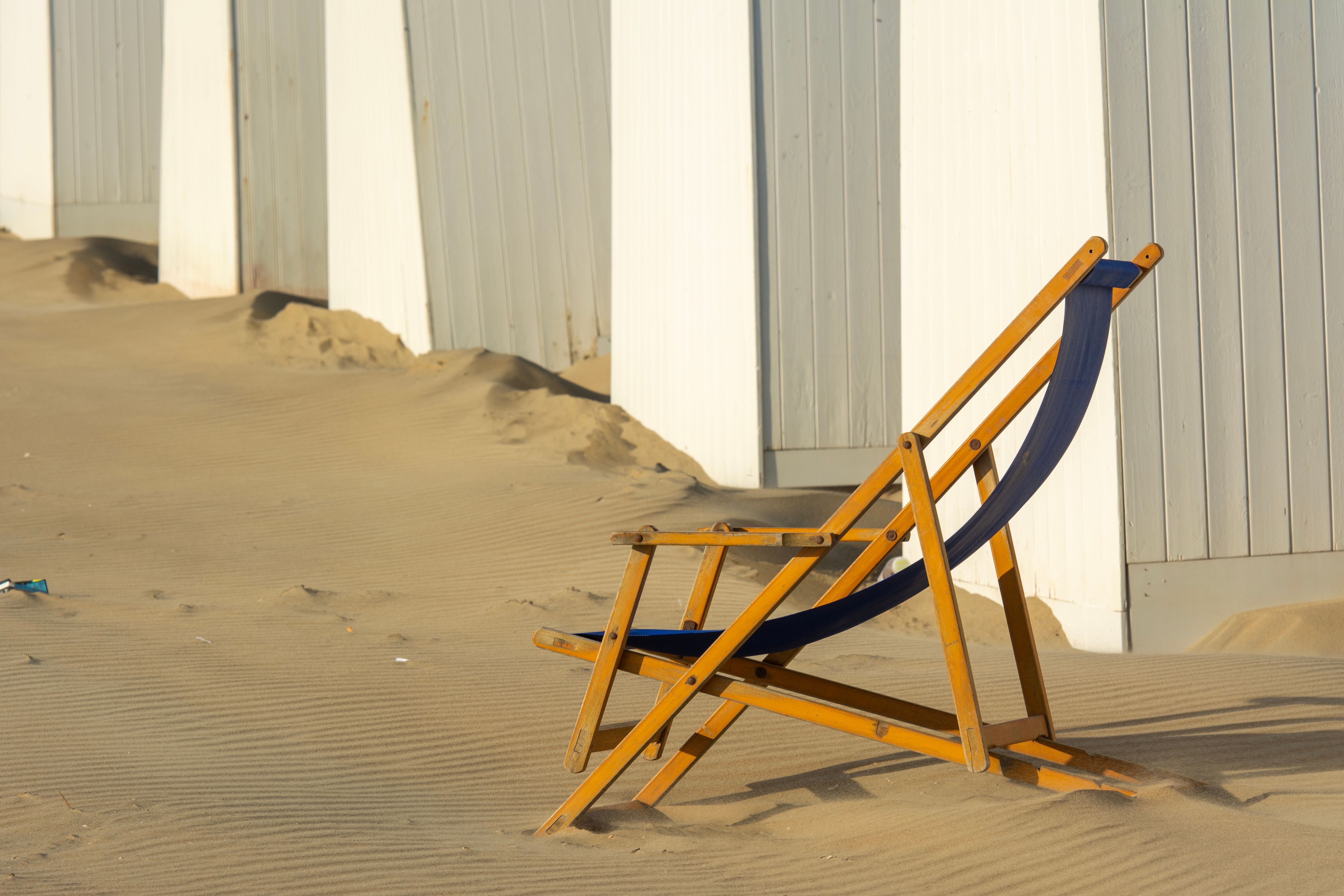
Once the bare metal meets salt water, the corrosion begins. The joints weaken, the support arms bend, and the whole thing starts developing the structural integrity of a wet cracker.
Then there is the fabric. Standard polyester or nylon sling material may hold your weight on day one, but direct sun and repeated exposure to moisture slowly beat it into submission. It stretches, sags, fades, and finally tears, usually at the exact moment you are trying to look relaxed in front of strangers.
The hardware is where the whole ugly little scheme becomes obvious. Rivets are used instead of bolts because they are cheap, but they cannot be tightened when they loosen. Plastic joints crack in heat, staples pull free under stress, and every attachment point becomes a countdown clock.
The folding mechanism is no better. The hinge is one of the highest-stress points on a beach chair, yet budget manufacturers often use the thinnest pins and brackets they can get away with. That grinding sound you hear is not charm. It is the chair warning you that betrayal is imminent.
This is why cheap chairs pinch fingers, jam halfway open, collapse unevenly, and begin wobbling before the season is over. They were not designed around the conditions of the beach. They were designed around a price point.
The Math They Hope You Never Do
The great trick of disposable beach gear is that it trains you to think only about the price on the tag. Thirty dollars feels cheap when you are standing in the aisle with sunscreen in one hand and a cooler in the other.
But how many trips does that chair actually survive? Fifteen? Twenty? Maybe a couple of summers if you are lucky, careful, and willing to pretend the sagging seat is still comfortable.
Over six years, that cheap chair becomes three or four chairs. Now you have spent $90 to $120 on disposable furniture, not counting the time wasted replacing it, the annoyance of mid-season failures, and the quiet humiliation of carrying another broken frame to the trash.
That is the math they hope you never do. The budget chair industry depends on keeping your attention fixed on the single purchase, not the long-term cost. The second you compare total spend, the cheap chair starts looking a lot less cheap.
This is where SUNFLOW enters the picture. A SUNFLOW backpack beach chair costs more upfront because it is not built like a disposable beach prop. Depending on the model, you are paying for better materials, stronger engineering, and a chair that is meant to survive actual beach conditions season after season.
What Built To Last Actually Requires
Durability is not magic. It is material selection, engineering, and a refusal to cut every possible corner for the sake of shaving pennies off production costs.
SUNFLOW uses a patented rust-resistant powder-coated aluminum frame. Powder coating is not the same as a thin sprayed finish. It is applied electrostatically and cured under heat, creating a surface that resists corrosion, chipping, and UV damage far better than the weak coatings found on budget frames.
The aluminum matters too. Stronger tubing costs more, but it also means the frame does not fold under normal use like it has been personally offended by the existence of gravity.
The fabric is just as important. SUNFLOW uses Greenguard Gold Certified marine-grade fabric designed for prolonged UV exposure, salt water contact, and repeated wet-dry cycles. In other words, it is made for the exact punishment that destroys cheap polyester in a single season.
The design also reflects actual thought, which is apparently too much to ask from much of the beach chair industry. SUNFLOW’s telescoping frame is patented, the chair has three recline positions, and it weighs about 8 pounds with backpack straps for easier carrying. These are not decorative features. They are the difference between a chair designed for the beach and a chair designed for a quarterly revenue report.
Stop Buying The Same Chair Every Summer
The cheap beach chair industry does not want you to buy one good chair and keep it. It wants you irritated, sunburned, and back in the store every summer, staring at the same flimsy lineup of future trash.
SUNFLOW refuses to play that game. Their chairs cost more because better materials, cleaner engineering, and real durability cost more. That should not be controversial, but in a market flooded with disposable junk, quality starts to look like rebellion.
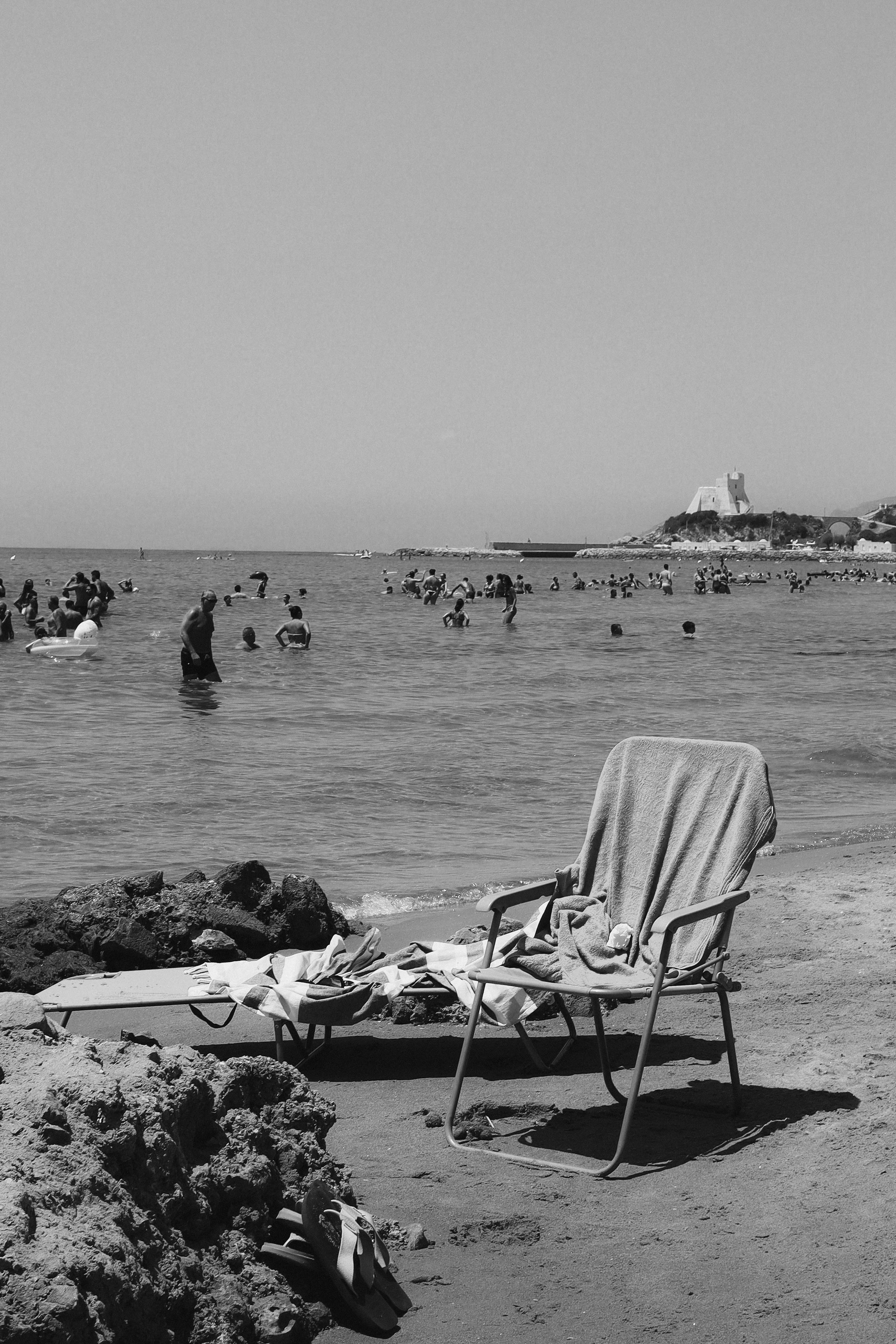
So before your next beach day, take a moment to do the math. Stop handing your money to the people selling you planned failure wrapped in striped fabric. Explore SUNFLOW’s lineup and get a chair built for salt, sand, sun, and actual repeated use.
